All Types of Racks Explained for Practical Applications and Smart Selection
Rack systems play a critical role across industries, transportation, and everyday utility needs. From storage optimization to secure load handling, understanding all types of racks helps users make informed decisions that balance safety, efficiency, and durability. Rather than being simple frameworks, racks are engineered solutions designed to manage weight, space, and movement under specific conditions.
When people explore all types of racks, they often realize how diverse these systems truly are. Each rack category serves a distinct purpose, shaped by load requirements, environment, and frequency of use. Choosing the wrong type can lead to inefficiency or even structural risk, while the right rack enhances performance and longevity. This guide explores rack varieties in depth to clarify their roles and applications.
Classification of Rack Systems by Function
Rack systems are commonly classified based on their primary function. Storage racks focus on maximizing space utilization, while transport racks emphasize stability and load security during movement. Industrial racks prioritize strength and modularity, whereas consumer racks often balance convenience with affordability.
Understanding functional classification helps narrow options quickly. Instead of evaluating every available design, users can focus on racks engineered for their specific needs. This functional perspective is the foundation for selecting from all types of racks without confusion or compromise.
Storage Racks and Space Optimization
Storage racks are designed to organize goods efficiently within limited space. They are widely used in warehouses, retail environments, and workshops. These racks prioritize vertical space utilization, allowing users to store more without expanding floor area.
Different configurations support varied storage needs, from lightweight shelving to heavy-duty pallet racks. The key advantage of storage racks lies in accessibility and scalability. When properly selected and installed, they improve workflow efficiency and reduce clutter, making them indispensable in organized environments.
Pallet Racks and Industrial Storage
Pallet racks are among the most common industrial storage solutions. Built to handle heavy loads, they support standardized pallets and forklifts. Their modular nature allows expansion as storage needs grow.
Durability and load distribution are critical here. Pallet racks must maintain structural integrity under repeated loading cycles. Among all types of racks, pallet systems are valued for their adaptability and long-term reliability in demanding environments.
Transport and Vehicle-Mounted Racks
Transport racks are engineered to secure loads during movement. These racks must handle dynamic forces such as vibration, acceleration, and wind resistance. Vehicle-mounted racks, in particular, demand precise engineering to ensure safety on the road.
These systems are designed with aerodynamics and balance in mind. Proper installation ensures that loads remain stable without affecting vehicle performance. Transport racks demonstrate how all types of racks must adapt to motion-related stresses rather than static weight alone.
Modular Racks and Custom Configurations
Modular racks offer flexibility by allowing components to be reconfigured or expanded. This adaptability makes them ideal for environments where needs change frequently. Users can add sections, adjust heights, or integrate accessories without replacing the entire system.
Customization is a defining strength of modular racks. They bridge the gap between standardized solutions and bespoke designs. For users exploring all types of racks, modular systems often provide the best balance between versatility and cost efficiency.
Material-Based Rack Variations
Material choice significantly influences rack performance. Steel racks offer high strength and durability, making them suitable for heavy-duty applications. Aluminum racks provide a lighter alternative with good corrosion resistance, often used where weight reduction is important.
Composite and plastic racks serve niche roles, such as chemical resistance or lightweight storage. Each material brings trade-offs in cost, strength, and maintenance. Understanding material differences is essential when evaluating all types of racks for specific environments.
Indoor Versus Outdoor Rack Systems
Environmental exposure shapes rack design. Indoor racks typically focus on load efficiency and organization, while outdoor racks must withstand weather, UV exposure, and temperature changes. Protective coatings and corrosion-resistant materials are common in outdoor systems.
Selecting a rack without considering its operating environment often leads to premature wear. When users understand how all types of racks are optimized for indoor or outdoor use, they can avoid mismatched installations and unnecessary maintenance.
Specialized Racks for Industry-Specific Needs
Certain industries require specialized racks tailored to unique demands. Examples include cantilever racks for long materials, drive-in racks for high-density storage, and mobile racks for flexible layouts. These designs solve problems that generic racks cannot.
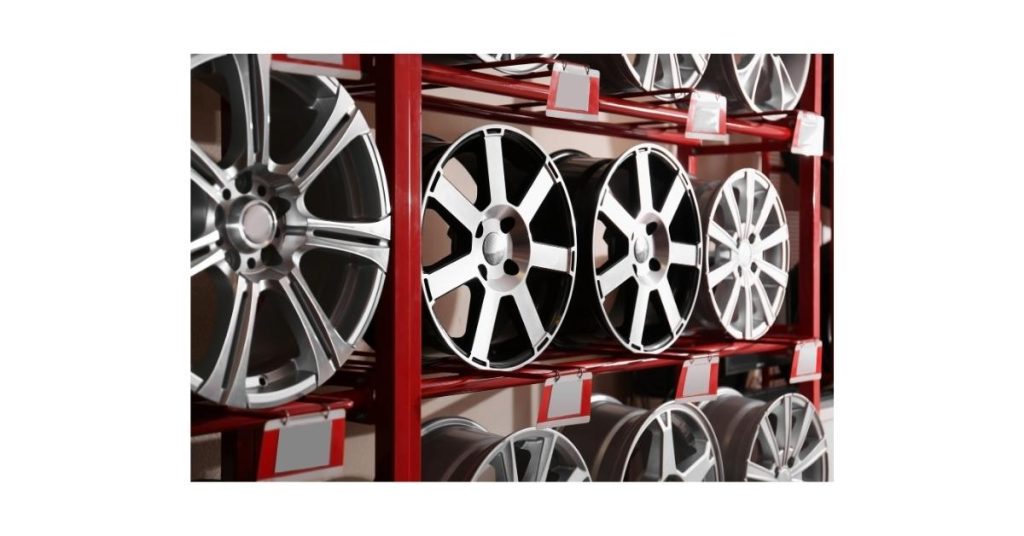
Specialized racks highlight the depth of innovation within rack engineering. They demonstrate that all types of racks evolve to meet precise operational challenges, offering efficiency gains that justify their specialized nature.
Safety Considerations Across All Rack Types
Safety is a universal concern regardless of rack category. Load ratings, anchoring methods, and material quality all contribute to safe operation. Ignoring these factors increases risk, particularly in high-load or high-traffic environments.
Routine inspection and adherence to guidelines are essential. Understanding safety principles across all types of racks ensures that systems perform reliably without endangering users or property.
Installation and Maintenance Implications
Different rack types require different installation approaches. Heavy-duty racks often demand professional installation, while lighter systems may allow user assembly. Maintenance needs also vary based on load frequency and environmental exposure.
Planning for installation and maintenance upfront reduces long-term costs. Users who consider these factors when choosing among all types of racks enjoy smoother operation and fewer disruptions.
Comparing Fixed and Adjustable Rack Designs
Fixed racks offer simplicity and stability, making them suitable for consistent, predictable use. Adjustable racks provide flexibility, allowing users to modify configurations as needs evolve. Each design has advantages depending on application.
This comparison illustrates how design philosophy influences performance. Understanding these differences helps users align rack choice with operational priorities rather than convenience alone.
Long-Term Value and Cost Efficiency
The true cost of a rack system extends beyond its purchase price. Durability, maintenance, and adaptability all affect long-term value. High-quality racks often cost more initially but deliver better performance over time.
When evaluating all types of racks, users should consider total lifecycle cost. This perspective ensures smarter investments and reduces the likelihood of frequent replacements.
Learning from Expert Resources and Evaluations
Access to expert insights simplifies the selection process. Trusted evaluations and comparative guides help users understand how different rack systems perform in real-world conditions. These resources provide clarity in a crowded market.
For structured overviews and expert-level breakdowns, many professionals consult All Types of Racks to gain a clear understanding of available options and their practical implications.
Making Informed Decisions with Confidence
Choosing the right rack system requires balancing function, environment, and long-term goals. By understanding all types of racks, users can match solutions to their specific needs without guesswork.
Informed decisions lead to safer, more efficient outcomes. Whether for storage, transport, or specialized applications, knowledge empowers users to select racks that perform reliably and add lasting value.
For ongoing learning and updated perspectives, industry professionals often revisit All Types of Racks to stay informed about evolving rack designs and best-use practices.