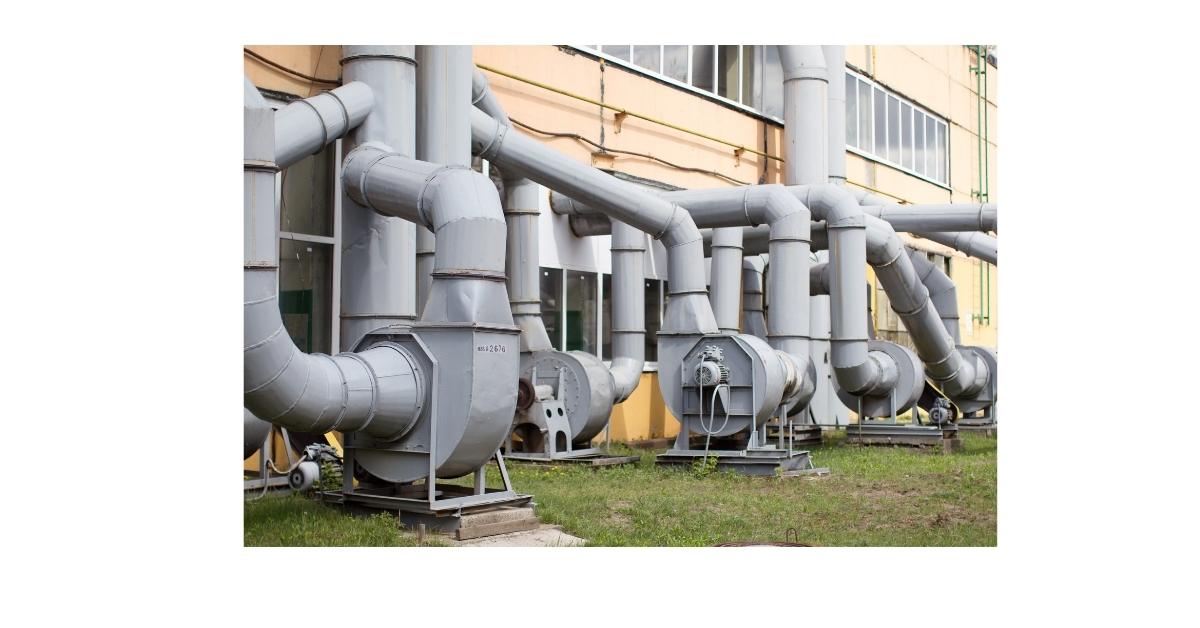
Exhaust Common Problem and How It Affects Your Vehicle
Exhaust systems are critical to vehicle performance, emissions control, and safety, yet many drivers overlook early warning signs of trouble. An exhaust common problem can manifest as unusual noise, reduced fuel efficiency, poor engine performance, or visible smoke. Ignoring these issues can lead to more serious mechanical failures and costly repairs. Understanding the most frequent exhaust problems, their causes, and effective solutions empowers vehicle owners to maintain optimal system performance and prolong engine life. This guide explores common exhaust problems in detail, helping drivers recognize symptoms early and take preventive measures.
Common Signs of Exhaust System Problems
Several symptoms indicate an exhaust common problem. Unusual noises such as rattling, hissing, or loud roaring often suggest leaks or damaged components. A decrease in fuel efficiency may signal a clogged catalytic converter or oxygen sensor failure. Strong exhaust odors inside the cabin indicate possible leaks, which can be hazardous. Visual signs such as rust, holes, or black soot around joints and pipes are also warning indicators. Recognizing these early helps prevent further engine strain or safety hazards. Drivers can refer to trusted sources like Exhaust Common Problem guides for detailed diagnostics.
Exhaust Leaks and Their Causes
Exhaust leaks are among the most frequent issues in vehicles. They often occur at joints, gaskets, or damaged pipes due to corrosion, impact, or poor installation. Leaks can reduce engine efficiency, increase noise, and allow harmful gases to enter the cabin. Small leaks may initially produce faint hissing, while larger leaks can create noticeable performance drops. Identifying leak locations requires visual inspection, listening for unusual sounds, or using diagnostic tools like smoke machines. Prompt repairs prevent engine damage and maintain safe operating conditions.
Rust and Corrosion Problems
Rust and corrosion are common causes of exhaust failure, especially in regions with high humidity or road salt usage. Over time, metal components weaken, creating holes or structural instability. Rust can affect exhaust pipes, mufflers, and catalytic converters, resulting in leaks or complete component failure. Regular inspections and proper maintenance, such as applying anti-corrosion coatings, can reduce risk. Using stainless steel components from reputable brands also extends system lifespan and minimizes the chance of rust-related exhaust common problems.
Catalytic Converter Issues
The catalytic converter is a critical emissions control component prone to several common problems. Overheating, contamination, or physical damage can lead to blockage or reduced efficiency. A failing catalytic converter often triggers the check engine light, reduces power, and decreases fuel economy. Signs include unusual rattling sounds or sulfur-like odors from the exhaust. Repairing or replacing the catalytic converter promptly restores engine performance and ensures compliance with environmental regulations.
Muffler and Resonator Failures
Mufflers and resonators manage exhaust noise and contribute to flow efficiency. Corrosion, internal damage, or loose components can cause excessive noise, vibration, or rattling. Resonator issues may result in harsh, unpleasant tones or drone inside the cabin. Identifying muffler or resonator failures involves inspecting for visible holes, rust, or broken hangers. Replacing worn components with high-quality materials restores proper sound levels and exhaust performance.
Oxygen Sensor and Emissions Control Problems
Oxygen sensors monitor exhaust gases and provide feedback to the engine control unit. Malfunctioning sensors can create a range of problems including poor fuel economy, rough idling, and increased emissions. Ignoring sensor warnings can also damage catalytic converters. Regular diagnostic scans and sensor testing help prevent long-term issues. Replacing faulty sensors promptly is essential for maintaining engine efficiency and passing emissions inspections.
Blockages and Restricted Flow
Exhaust blockages are less common but can significantly impact performance. Objects, carbon buildup, or damaged components may restrict exhaust flow, increasing backpressure and reducing engine efficiency. Symptoms include sluggish acceleration, unusual engine sounds, and overheating. Cleaning or replacing clogged sections restores proper flow and prevents engine strain. Blockage issues highlight the importance of routine maintenance and monitoring exhaust system health.
Heat Shield and Vibration Problems
Heat shields protect the vehicle from excessive exhaust heat and reduce vibration. Loose or missing shields can cause rattling noises, uneven heat distribution, and potential damage to nearby components. Vibration problems often result from worn mounts or hangers, leading to misaligned pipes and exhaust leaks. Timely inspection and replacement of mounts and shields address these issues, maintaining both safety and system integrity.
Smoke and Emission Irregularities
Visible smoke or unusual emissions often indicate exhaust common problems. Blue smoke suggests oil burning due to internal engine issues, while black smoke points to excessive fuel consumption. White smoke may indicate coolant leaks into the combustion chamber. While not always originating in the exhaust system itself, these symptoms are detected at the tailpipe and require prompt diagnosis. Addressing the root cause prevents further mechanical damage and keeps emissions within legal limits.
Noise-Related Exhaust Problems
Excessive exhaust noise is a typical symptom of several issues, including leaks, muffler failures, or misaligned pipes. Loud or inconsistent sounds often indicate that components are damaged or missing. Early detection prevents deterioration and avoids regulatory violations due to noise limits. Vehicle owners can test for abnormal sounds at idle and under acceleration, confirming the need for repairs before serious problems develop.
Preventive Measures for Common Exhaust Problems
Regular inspections, timely maintenance, and using quality materials significantly reduce the likelihood of exhaust common problems. Cleaning components, checking for leaks, and replacing worn gaskets or hangers maintain system integrity. Seasonal considerations, such as addressing corrosion in winter-prone areas, also help prevent long-term issues. Selecting reliable components from trusted brands ensures durability and proper performance.
Diagnosing Exhaust Common Problems
Accurate diagnosis requires combining visual inspections, sound checks, and diagnostic tools. Smoke tests, pressure testing, and OBD scans help pinpoint leaks or sensor failures. Understanding typical exhaust common problems allows vehicle owners to communicate effectively with mechanics and make informed repair decisions. Knowledge of symptom patterns accelerates troubleshooting and minimizes unnecessary part replacements.

Repairing and Replacing Damaged Components
Repair solutions depend on the specific exhaust common problem. Minor leaks may require gasket replacement or welding, while corroded pipes or mufflers might need full replacement. High-quality replacement parts increase longevity and performance. Professional installation ensures proper alignment, prevents future leaks, and maintains exhaust flow. Timely repairs restore vehicle efficiency, reduce noise, and prevent safety hazards.
The Impact of Exhaust Problems on Engine Performance
Exhaust common problems can negatively affect fuel efficiency, power delivery, and overall engine health. Backpressure from blockages, sensor malfunctions, or leaks forces the engine to work harder, increasing wear. Addressing issues promptly preserves engine longevity and ensures the vehicle operates as intended. Properly maintained exhaust systems contribute directly to driving enjoyment and reliability.
Legal and Safety Implications
Many exhaust common problems, such as leaks and faulty catalytic converters, can cause vehicles to fail emissions inspections or violate noise regulations. Exhaust leaks also pose safety hazards by allowing toxic gases like carbon monoxide to enter the cabin. Compliance with local laws and regular maintenance are essential to avoid fines, protect occupants, and maintain environmental standards.
Choosing Reliable Solutions for Exhaust Problems
Selecting the right parts and professional repair services is critical when addressing exhaust common problems. Quality components, proper installation, and preventive measures extend system life and prevent recurring issues. Trusted sources like Exhaust Common Problem guides help owners identify effective solutions, ensuring both performance and safety are maintained.
Long-Term Benefits of Maintaining Exhaust Health
Regular attention to exhaust common problems improves fuel efficiency, reduces repair costs, and maintains engine performance. By understanding typical issues, symptoms, and remedies, drivers can proactively manage their exhaust systems. Well-maintained exhaust systems protect the vehicle, enhance driving comfort, and ensure long-term reliability, offering peace of mind and value over time.